Why Is a Diamond Ring a Symbol of Marriage?
Our product recommendations are made independently, but we may earn affiliate commissions if you use a link on this page.
Engagement and marriage are packed with tradition, some of it dating back hundreds if not thousands of years. Some of these traditions have clear origins while others are still speculated upon today. It is also interesting to note that some traditions are far newer than we might think.
In this article we are going to look at some of the history behind engagement and wedding rings and most specifically the use of diamonds as a precious stone to adorn these rings. Why did diamonds become popular and will they continue to be so? For answers to these questions and more please read on.
Engagement Ring History
There is some belief that the earliest engagement rings may have developed in Egypt thousands of years ago but this is up for debate. According to anthropologists however it is more likely the first engagement rings may date back to Roman times.
In a rather archaic tradition by today's standards Roman men would give their prospective brides an engagement ring when they accepted the proposal. Upon this ring was a small key which was an indication that the man now owned his future wife.
It is believed that the rings were indicative of a few things such as:
- The circular shape of the rings is said to have symbolized eternity as well as a bond or an oath that lasts a lifetime
- Rings were made of precious metal which was of high value. This not only signified deep commitment but also acted as a form of insurance for the bride if the marriage should be called off.
- Rings were considered a visible symbol of relationship status. It would indicate to other people that the person was in a committed relationship and intended to marry.
- It became tradition to exchange engagement rings to announce to the community an intention to marry and also to prevent secret marriages or calling off the union
The tradition of giving an engagement ring obviously has evolved over the years leading to our next notable milestone in history. It was Archduke Maximillian of Austria who in 1477 commissioned the first diamond engagement ring for his intended Mary of Burgundy. This would be the first reported case of diamonds being used in engagement rings.
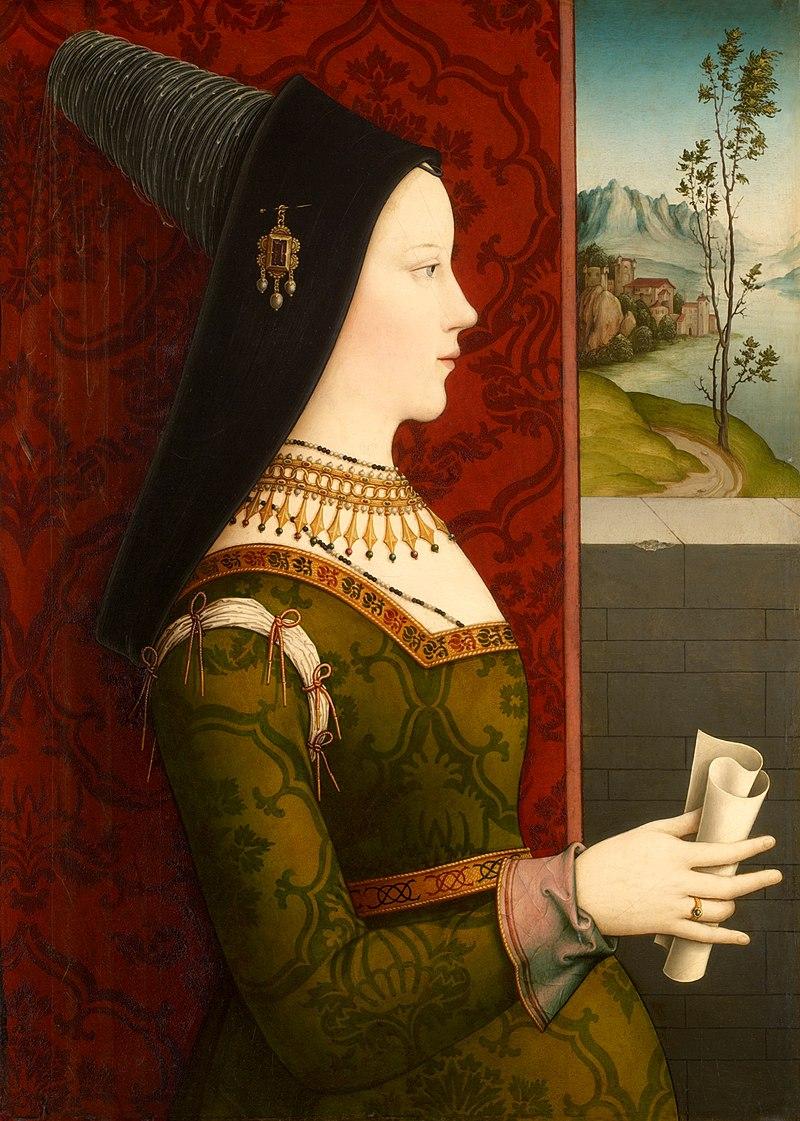
This act would spark a tradition of using diamond engagement rings by European nobility and the aristocracy. For several hundred years it remained the practice of the upper classes exclusively but around the Victorian period the trend really took off and became more widespread.
When the DeBeer mines opened in 1866, diamonds became more accessible to a wider audience which the company quickly capitalized on. Struggling from low sales after World War One and leading into the 1930s Debeers took action. Their ad campaigns during the 1930s featured stars of Hollywood adorned in their diamonds which despite the great recession caused their sales to increase by 50% over three years.
It was DeBeers again with another now iconic ad campaign that cemented diamonds as the go to gem for engagement rings with their “Diamonds are Forever” slogan. This was in 1947 and ever since diamond engagement rings have become the norm.
Despite centuries of changes in tradition the core values of the engagement ring exist the same today as they did so long ago. Diamonds however have had a real impact in the engagement history and have become the expected norm in terms of gems for the rings.
History of Wedding Bands
The history of wedding rings or bands dates back to Rome and Greece where the sharing of rings was initially considered part of the dowry. It would later become more of a symbol for fidelity. There are a number of differing traditions surrounding wedding bands.
Some traditions saw gimmel rings whereby each person had two bands, the first they wore after engagement but before the marriage. The second was then added to the first after the wedding took place.
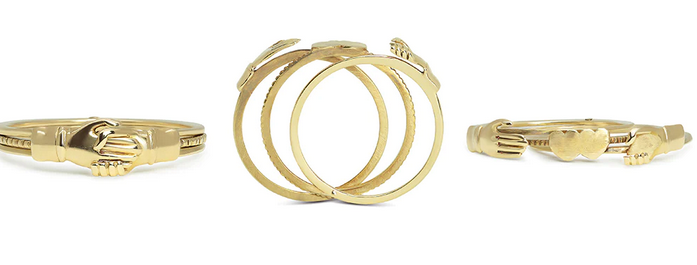
It is very common today for both bride and groom to receive a ring during the ceremony and to then wear them from that point onwards. As a tradition this dates back to Europe in the 1800s and would also become traditional in the US later in the 20th century. Earlier in North America the Puritans thought jewelry frivolous and would give their wives thimbles instead.
Wedding bands have historically been more a Christian and partially Jewish tradition although not all factions of those religions adhered to the practice. For example certain groups of Quakers would not wear wedding bands as part of their testimony of simplicity. This is also true of the Amish although after marriage the husband can finally grow his beard.
History of Diamonds
You might be surprised just how long diamonds have been part of our lives especially considering how challenging they are to carve and process. It is believed that diamonds were being pulled from river beds in India as early as the 4th century BC.
They were being traded for their rarity and beauty and were bought during the medieval period making their way beyond the borders of India into Europe aboard trade caravans. The continent of India was the go to for diamonds all the way up until the 1700s but supply started to dwindle and Brazil became the next big producer of diamonds.
Once Brazil’s diamond market was established they would dominate for the next 150 years until explorers on the continent of Africa started to find diamond deposits there as well. During Brazil's dominance the interest in diamonds decreased as a surge of political unrest saw the ruling classes start to lose their grip. The result being that the main marker for diamonds, the nobility was in decline.
After diamonds were discovered in South Africa however in the late 1800s demand started to grow again. Major diamond conglomerates realized they needed to target the everyman. These huge diamond deposits allowed for the possibility of creating a selection of diamonds that even the lower class could afford.
As the years progressed diamonds became more and more popular with companies like DeBeers creating fascinating ad campaigns. Making use of Hollywood icons draped in diamonds to capture the attention of Americans during the great depression was their first master stroke as was their later “Diamonds are Forever” campaign.
In a few short centuries diamonds had evolved from a toy of nobility to a must-have item for everyone, especially for those getting married.
Reviving Tradition
As we mentioned the first diamond engagement ring was created in 1477 although there had been diamonds in wedding bands for many years before that. It was the right and tradition of royalty and nobility to adorn their rings with diamonds.
This would continue on for a good few centuries with the diamond being a status symbol for many. With dwindling monarchies around the globe and a declining nobility in countries throughout Europe the diamond lost some momentum although the Victorians kept the faith.
We can likely thank DeBeers, a major diamond producing cartel for making diamonds accessible to all walks of life and reigniting the popularity of having diamonds in engagement rings. The “diamonds are forever” slogan produced a confidence among young couples that having this stone in their ring would bless the union with longevity.
Why Do We Associate Diamonds With a Solid Relationship?
Diamonds have a lot of interesting properties such as an amazing ability to reflect light when cut correctly. This can make them stunning but likely a more important property is the resilience of a diamond.
Diamond as a material is the hardest naturally occurring substance on the planet which means it is hard to cut or for that matter break. The idea that diamonds are indeed forever is not hyperbole. These gems have lain in the earth for billions of years under extremes of heat and pressure.
There are diamonds sitting on hands today that will be on this planet billions of years after we have gone the way of the dinosaur. It is little wonder then that this substance has become associated with eternal love.
The diamond in a wedding ring or engagement ring will last generation after generation and could be passed down within a family line multiple times.
Why Is the Diamond a Symbol of Marriage?
When it comes to marital symbolism the idea of diamonds being symbolic is pretty new. You see the ancients had engagement and wedding rings but also had diamonds. They didn’t really start to put the two together as a pairing until the 13th and 14th centuries.
Even when diamond rings started to gain popularity in the mid 1400s it was with the nobility and royalty who had the means to buy these astonishing gemstones. The average farmer marrying their beloved would never dream of such a thing as a diamond.
The tradition we hold for having diamonds in engagement rings and wedding rings comes largely with the masterful ad campaigns of the DeBeers diamond company. Had DeBeers not pushed hard with their campaigns between the 1920s – 1950s we may not associate diamonds with marriage or at least not to the extent we do today.
So yes, diamonds are considered a symbol of marriage today not for some mystical ancient reason but because of being attractive, tough and having great public relations.
What Does This Mean To You?
As Madonna once said, we do live in a “material world.” There will always be a market for diamonds and I would suggest they will remain popular in wedding bands, engagement rings and all manner of jewelry. What this all means to you though is that diamonds, as part of marriage, are not really a legitimate tradition.
If you do not feel your style or budget extends to buying diamonds for your rings then do not feel like you are bucking tradition. The only reason this tradition exists today is because DeBeers had a hell of a campaign department.
If you want to use some other gemstones which may have more importance to you such as birthstones or something you like more, that is perfectly acceptable. If someone tries to bother you with talk of tradition tell them about DeBeers. There are literally people alive today who will have seen those campaign posters when they first went up. It has been less than a century and no tradition can be set in stone so quickly.
Final Thoughts
As a society we have formed the idea that diamonds have an intrinsic connection to marriage. They are beautiful and do look fantastic on a ring but this is simply just a matter of opinion at this point. Diamonds are great but they do not need to corner the engagement ring market. You can make other choices if you want.
Reference Diamond Size Chart
If you use any of the definitions, information, or data presented on Diamond Size Chart, please copy the link or reference below to properly credit us as the reference source. Thank you!
-
<a href="https://diamondsizechart.com/blog/why-is-a-diamond-ring-a-symbol-of-marriage/">Why Is a Diamond Ring a Symbol of Marriage?</a>
-
"Why Is a Diamond Ring a Symbol of Marriage?". Diamond Size Chart. Accessed on April 28, 2026. https://diamondsizechart.com/blog/why-is-a-diamond-ring-a-symbol-of-marriage/.
-
"Why Is a Diamond Ring a Symbol of Marriage?". Diamond Size Chart, https://diamondsizechart.com/blog/why-is-a-diamond-ring-a-symbol-of-marriage/. Accessed 28 April, 2026
-
Why Is a Diamond Ring a Symbol of Marriage?. Diamond Size Chart. Retrieved from https://diamondsizechart.com/blog/why-is-a-diamond-ring-a-symbol-of-marriage/.