What's the Best Diamond Cut for an Engagement Ring?
Our product recommendations are made independently, but we may earn affiliate commissions if you use a link on this page.
When it comes to diamonds there are two uses of the term "cut," which although they relate to the same thing are actually different enough to make note of. The first intent for the term cut refers to the quality of the job performed by the craftsperson who has pulled the diamond from its rough shape into its best possible appearance.
The second intent of cut when it refers to a diamond is the shape in which the diamond has been fashioned. There are many different shapes that are used, some being more popular than others. In this article we are going to discuss some of the more common diamond shapes used in engagement rings.
What Does Tradition Say?
For hundreds of years wedding and marriage traditions have been very consistent and based on the specific elements of the participants' faith. This level of tradition even extends to things such as the cut of the diamond in the engagement ring.
Accepted convention says that the ideal cut for an engagement ring diamond is the classic round cut. It is considered the most attractive and the best use of the diamond as a whole. Of course we are not going to leave it at that because you know that traditions change.
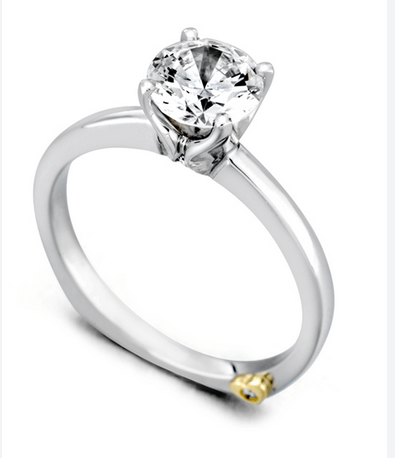
In fact more and more the old traditions and etiquette of weddings are falling away and people are starting to make their own traditions and rebuff the old ways. Frankly I have no problem with that, live and let live as the saying goes.
So although we can say definitively that the most popular cut for engagement rings is the round cut and despite the fact that it may practically be the best, who are we to say you have to use that cut? What we can do is provide you with some options and let you make a decision for yourself.
The Most Popular Diamond Ring Cuts
In this section we will look at a short list of some of the more popular cuts and give you an insight into them. We understand ultimately the cut you choose is up to you but who doesn’t need a little advice every once in a while?
Round Cut
So let's start with the most popular cut historically and probably still today based on tradition. The round cut as its name suggests has a circular shape which maximizes the fire and brilliance of the diamond. Essentially this cut makes the diamond sparkle far more than other cuts which is something that is considered favorable obviously.
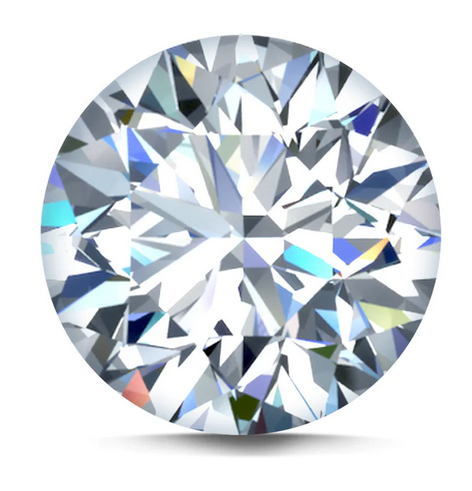
If the aspects of the wedding are set to be as traditional as possible then starting out with a round cut diamond in the engagement ring is an obvious good first step. It looks best as a solitaire setting but can also look amazing in twin and three-stone settings.
Princess Cut
Now with round cuts being so popular you may correctly assess that these diamonds tend to be more expensive. This is often a reason to choose an alternate shape such as the princess cut which is likely the second most popular for engagement rings.
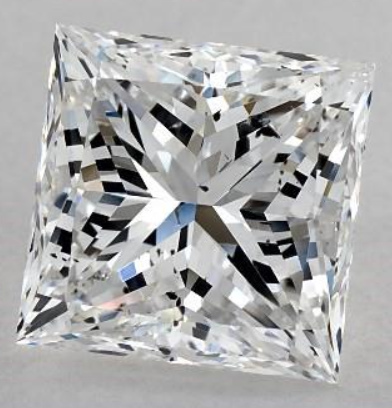
Its versatile faceup appearance creates a sleek and classy look when in an engagement ring but also has a very modern aspect as well.
Cushion Cut
First used in the 18th century when it was known as the old mine cut, the cushion cut did fall out of favor for a while but has seen a resurgence in more recent years. As the name somewhat suggests the cushion cut looks in many ways the same shape as a pillow.
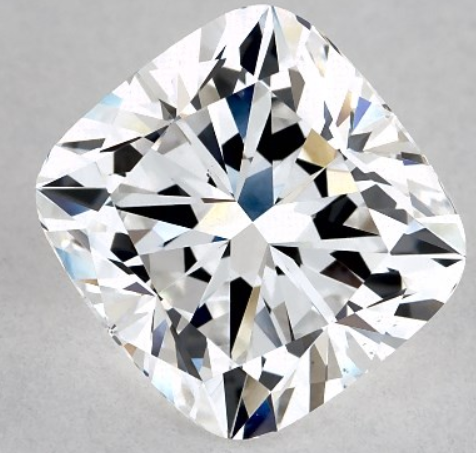
This is to say it has straight edges with rounded corners. The 58 massive facets involved in this cut serve to enhance the diamond's brilliance making it a very viable option for an engagement ring.
Oval Cut
In many aspects the oval cut is just the same as the round cut they certainly match up with regards to brilliance. The oblong shape also creates an optical illusion which can make the finger on which it is worn appear longer.
One of the big drawbacks however of this cut is the possibility of the bow-tie effect. This can happen sometimes when the cuts to create the oval shape may cause less reflection leading to shadows in the diamond. These look like triangles with the pointy ends meeting each other creating an appearance of a tiny bow-tie.
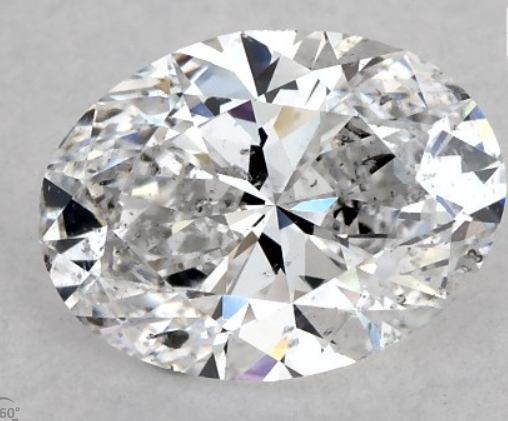
Aside from the bow-tie effect this cut is also prone to inclusions and other flaws which can be masked by using a salt and pepper diamond. This is a rarer diamond variation but is often less expensive making an oval cut salt and pepper a potentially interesting option for an engagement ring.
Emerald Cut
This may not seem a classic cut for diamonds but it can in fact be very appealing. Offering an art deco aesthetic this cut is recognized for its open table, cropped corners and rectangular step cuts. It offers a unique understated sparkle referred to as a “hall-of-mirrors” effect.
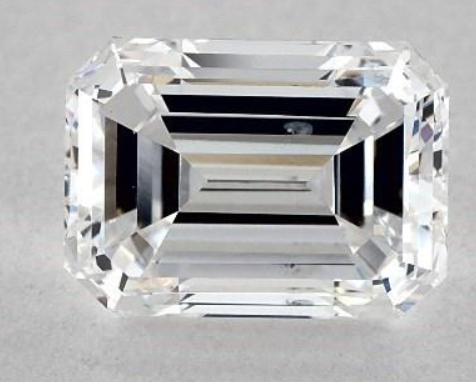
This cut is prized for its ability to showcase the clarity of the diamond while also catching the light in spectacular ways.
Marquise Cut
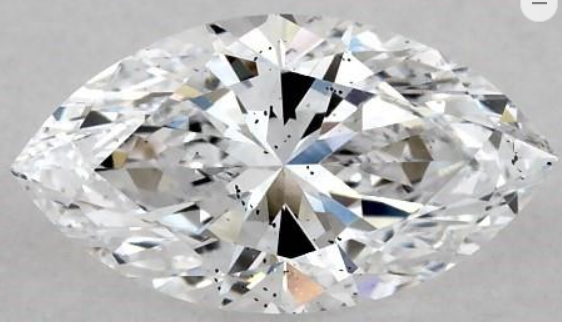
This is a cut with a real regal feel which sets it apart from others. Its differentiated silhouette is highlighted by pointed ends and curved sides. The narrow and long shape created by this cut offers the sought-after illusion of bigger size. It also appears to elongate the finger when worn vertically. The pointed edges however mean there is an increased risk of breakage and chipping unless it is set properly. Also a noticeable “bowtie” effect of dark space may appear at the center of a marquise diamond if the stone is not cut well.
Radiant Cut
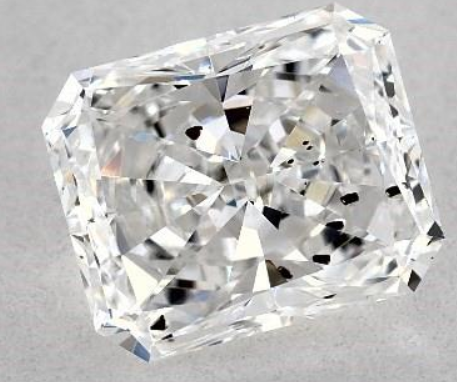
As the name might suggest, the radiant cut diamond catches the light magnificently. The timeless features of this particular shape mimics the emerald cut but its deeply cut facets offer that little bit of extra sparkle.
Heart Cut
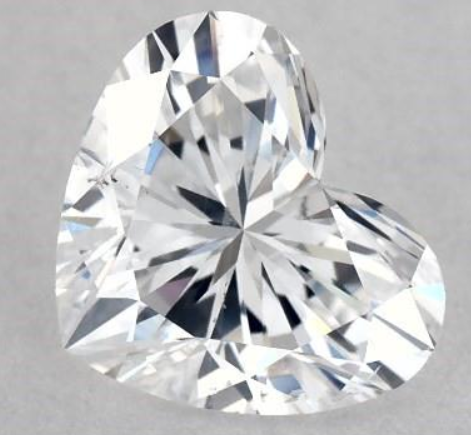
A complicated cut, the heart diamond shows off excellent sparkle and an exquisite symmetry of silhouette. The connotations towards love based on the heart shape obviously make it a popular choice for young couples looking for the right diamond cut shape.
What Is the Most Sparkle Inducing Cut?
Let's be honest the main reason people love diamonds is the light performance which is better known as sparkle, brilliance or fire. It's all well and good that it’s a near indestructible material which has become associated with eternal love, if it doesn’t sparkle what’s the point.
There are many aspects of the diamond that have an impact on how much it sparkles but above all else is the shape in which it has been cut. The reason for this is that the brilliance is created by the amount of light pouring upward through the top of the diamond.
Light is captured from the sides of the diamond and then is directed back out through the top. Depending on the actual cut of the diamond this redirection of light may be strong or weak which obviously affects the sparkle factor.
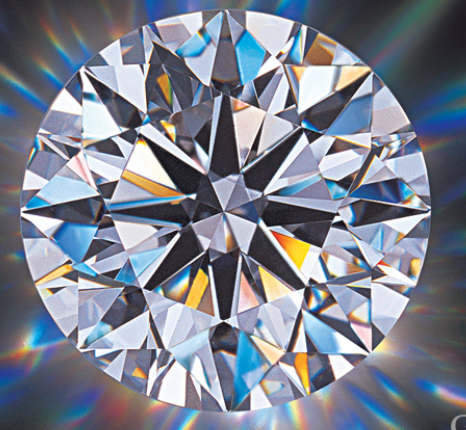
We look at the diamond from the top so cuts need to be made in such a way as to refract and reflect the light internally and upwards. When it comes to this type of cut the classic round cut is considered the most perfect. Experts around the globe have been in agreement for many years that round cut diamonds produce the greatest fire, brilliance, sparkle. However you want to term it, it's all about the round cut.
Without a decent sparkle the diamond may as well be a lump of glass. Thankfully all cuts will produce some level of sparkle but some more than others. This is something to consider when choosing the right shape for your needs.
Do Any Other Shapes Come Close to the Round Cut for Sparkle?
This question is apt because yes there are some shapes that do indeed come close to the round brilliant shape but none that can actually match it. The oval cut, princess cut and cushion cut are all very impressive when it comes to brilliance but they are not as good as the round cut.
If you want maximum sparkle you will without question want to go with the round cut. That said you can still get some beautiful sparkle from other cuts and sometimes people find the round cut just too plain in terms of shape.
A visually more interesting shape may sometimes be worth a drop in brilliance. Sometimes though you just want to go against tradition which is completely fine.
Which Cuts Offer Least Sparkle?
There are certain cuts which are not intended to maximize sparkle. They will have some of course as this is the nature of diamonds but they have been cut to create a more understated beauty and to accentuate the internal transparency of the diamond.
Cuts like the emerald and Asscher are examples of this as it is the cut itself that is intended to be the star rather than the sparkle or fire. This does not mean they do not make for a beautiful engagement ring cut because there are times when it is hard to catch the light with a diamond negating the sparkle factor.
What Is the Difference Between the Diamond's Cut and Its Shape?
We touched upon this a little earlier when we pointed out that the term cut is used commonly to refer to not only the quality of the work done on the diamond but also the shape it has been cut into. Technically you would think it would be called shape to clear up any confusion but this is not the case.
As we have already talked about the diamond “cut” with regards to its shape we should also take a look at the other meaning of the word. This obviously is the quality of the cut or shaping as performed by the craftsperson.

Considered one of the 4 C’s which define a diamond's value, cut is graded according to labs such as the Gemological Institute of America (GIA) as either Poor, Fair, Good, Very Good or Excellent in terms of cut quality.
When independent labs such as the GIA are assessing a finished diamond and they are looking at the cut they ask certain questions of it to determine the grade they will assign. These include:
- Did the craftsperson make their cuts symmetrical?
- Did the craftsperson make the cuts proportional?
- Are the cuts done cleanly?
- Are there any signs of chipping?
- Have they achieved the maximum brilliance from the piece?
It is easy to sit back and think "How hard can it be to cut a diamond?" but just remember this is the hardest naturally occurring substance in the world. They have to find ways to split and cut these often very small diamonds.
It takes patience and a high level of skill to exert enough force to cut the diamond just right. There is a certain level of luck involved as well because you can never predict exactly how a diamond will cut. Taking a rough rock encrusted diamond all the way to a beautifully crafted final piece is a painstaking process and this all adds to the value.
Basically speaking then cut quality is extremely important when it comes to the value of a piece and its final appearance. Although we say that a round brilliant diamond is the best in terms of sparkle if it is poorly cut this would not always be the case.
If you factor in GIA cut gradings an oval cut diamond with an excellent rating would out perform a round cut diamond with a poor rating. It would have more sparkle because it has been cut to a far better standard.
It is important to note this because if you really want to have a different shape for your ring then you are going to want to consider spending the money required to ensure its cut quality is rated excellent by one of the independent gemology labs. This way you will get the best possible sparkle from that piece no matter what the shape.
How to Pick the Best Cut for You and Your Partner
Often there will be discussion of marriage in a relationship for quite a while and assuming you are not planning on a surprise proposal it is perfectly normal for both of you to take part in the decisions regarding the engagement ring.
Now generally speaking only one of you will be wearing the engagement ring although there may be situations where both of you may have your own ring. Life is a rich tapestry when it comes to relationships so whether it's just one ring or two it is important that the wearer gets the most say in how it looks.
There are many purchasing options these days. You can still go the traditional route and visit jewelers or you can find many purchasing options online. The key is to shop around and really look at what is available to you.
As mentioned earlier there are plenty of shape options, 8 of which we outlined for you as commonly used in engagement rings. There are a few other options beyond those which, while they are not traditional, could still be considered if the shape appealed.
Take your time with your decision and make sure you get a look at all your options. There may be several shapes that appeal to you. Narrow down the field as much as you can until you only have a few options. At this point you can start to consider what is actually available to you.
If you are looking to get matching engagement rings you may have to discuss as a couple which shape you either both like or are able to at least compromise on. We all have preferences in life and wouldn’t it be a dull world if we didn’t.
Brilliance may be an important factor to you so it is important to know which cuts offer the greatest display of this. The list below goes in order of brilliance and assumes that all things are equal when it comes to cut quality.
- Round Brilliant Cut
- Radiant Cut
- Cushion Cut
- Oval Cut
- Pear Cut
- Heart Cut
Remember a higher quality oval cut could still outshine a poor quality round brilliant. It’s not always about the shape but also the skill with which the shape is formed. This can also impact how well the final gem sparkles.
How Do You Choose Shape When It's a Surprise?
Sometimes part of the fun of proposing is surprising your partner with the big question. This usually means purchasing a ring without their direct input which can be a little daunting. In an ideal world your partner would not be upset if they didn’t find the ring perfect but sometimes they may have been dreaming of this moment for years.
Your partner may have even window shopped engagement rings before with their friends and developed an idea of what they would love their ring to look like. This is why it is important to do whatever you can to find out something of their preferences.

You can't just ask them outright so you need to manufacture a situation where you can covertly pick their brains about their preferences. A good way to do this is to get them to come with you to a jeweler under the pretense of looking at watches or something unrelated to rings. This is where you get to flex your acting skills.
There will be engagement rings on display so try and steer towards them and jokingly ask what they think about them. Perhaps comment about one looking impressive most importantly try not to make it seem like a big deal.
Take note of anything they say about certain rings as this may give you some big clues you can use later on. Important clues may include:
- Do they like gold, platinum or silver? They may have a precious metal allergy so knowing this is also important.
- Are they interested in the single diamond rings or do the more ornate ones seem to catch their eye?
- Do they express a like for a certain shape of diamond?
- Do they mention liking a different gemstone rather than diamonds?
- Do they express views of ethical diamond mining such as supporting conflict-free diamonds?
These are all important little pieces of information that can help you crack the code for the perfect surprise engagement ring.
If this all sounds a little difficult and you think your partner might be too smart to be tricked like this you do have another option. A good spy develops sources and hopefully you have become close with their friends and family.
Choose someone you feel will be happy about the idea of you marrying their friend or family member and who you think will help you gather information without letting on. You may be surprised to find how many people will jump at the chance to play secret agent.
Have them talk about things like engagement rings with them because they can broach the subject of what the person likes without raising suspicion. This is often considered normal chit chat conversation between family and friends so should not raise suspicion.
Final Thoughts
It is possible to spend way too much time comparing and contrasting the qualities and benefits of a certain shape of diamond. Ultimately however the final decision is a personal one. If a heart-shaped diamond seems more appealing than a round one and you don’t care so much for the sparkle the choice is clear.
This is all about personal preference so tradition be damned. Don’t let anyone tell you your choice is wrong because they don’t think it's right. We are talking about a ring that will belong to the wearer hopefully forever. They should love it as much the day they get it as they do 20 or 30 years down the line.
Simply put it's your decision what shape diamond you want in your engagement ring. If you get to choose then stick to your guns on your preference. If it is a surprise, hopefully your partner will have done some reconnaissance and figured out what you like. Of course there is no shame in dropping hints as well which they will hopefully pick up on.
Reference Diamond Size Chart
If you use any of the definitions, information, or data presented on Diamond Size Chart, please copy the link or reference below to properly credit us as the reference source. Thank you!
-
<a href="https://diamondsizechart.com/blog/whats-the-best-diamond-cut-for-an-engagement-ring/">What's the Best Diamond Cut for an Engagement Ring?</a>
-
"What's the Best Diamond Cut for an Engagement Ring?". Diamond Size Chart. Accessed on April 28, 2026. https://diamondsizechart.com/blog/whats-the-best-diamond-cut-for-an-engagement-ring/.
-
"What's the Best Diamond Cut for an Engagement Ring?". Diamond Size Chart, https://diamondsizechart.com/blog/whats-the-best-diamond-cut-for-an-engagement-ring/. Accessed 28 April, 2026
-
What's the Best Diamond Cut for an Engagement Ring?. Diamond Size Chart. Retrieved from https://diamondsizechart.com/blog/whats-the-best-diamond-cut-for-an-engagement-ring/.