What Is the Best Metal for a Diamond Ring?
Our product recommendations are made independently, but we may earn affiliate commissions if you use a link on this page.
When you are looking to put together a diamond ring as an engagement ring there are two main parts. Obviously the most important part is the diamond; it serves as the centerpiece and the focal point of the ring.
A great diamond however also needs a great setting and this is where your choice of material comes in as being very important. There are more options than you might imagine when it comes to setting material so it is important to know some of the variables before you make a decision.
In this article we are going to look at the common metals that are used to make diamond ring settings. With our help you will hopefully be able to match the ideal diamond to the perfect setting allowing you to create a stunning engagement ring.
A Note on Gold Durability
We are going to mention several types of gold in this article so we just want to start by pointing out something pretty important. You have likely heard of 24k gold and know that this is the purest gold possible around 99.99 percent to be specific.
Now this gold is very soft and malleable which is not ideal for making jewelry such as engagement rings. Therefore all of the types of gold we are going to mention will be 18k or 14k gold. This means that other metals are included in the mix which dilute the purity but make it stronger.
Known as alloys, these less pure golds are perfect for use in jewelry. They are easy to shape but are not so soft as to be easily damaged. Pure gold would be easily damaged ruining any ring it was used in.
Gold and Its Colors
Gold is one of the old school standards of jewelry making and is especially popular in making diamond rings. The lower the karat (not to be confused with diamond carats) rating of gold the more firm it is but the less pure. There are several color options which can make for some stunning rings.
Yellow Gold
So the natural color for gold is yellow in fact pure gold is a very vibrant shade of yellow which is why it is considered so alluring and valuable. As mentioned we will not be using 24k gold for rings because it bends too easily and holds scratches.
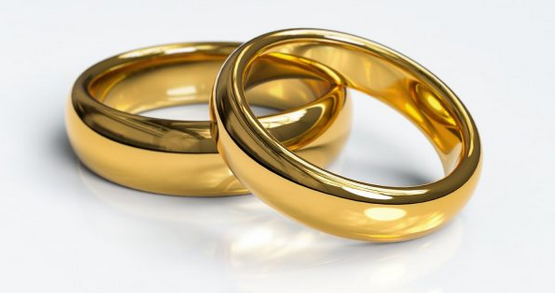
In order to make yellow gold more usable for rings small amounts of copper and silver will be added to the mix. It still remains yellow but perhaps a little less strikingly so. This is a popular choice and looks great with most types of diamonds and also helps to cover up for less than perfect color grades in the diamond.
Rose Gold
This is an interesting gold first used by the famous Carl Faberge of bejeweled ornate egg fame. It has a pink hue which makes for a very feminine look. It is not only popular in engagement rings but also wedding bands.
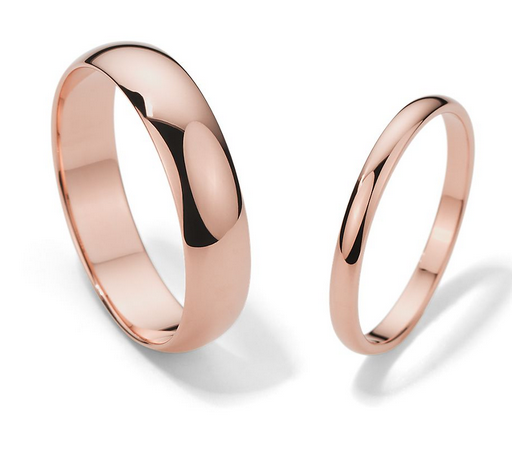
It is the addition of copper to the mix which creates the shade and the more copper present the more pronounced the coloration. This type of gold has a somewhat vintage look when used and can be found in a variety of karats.
Precious metal allergies are a real thing and people can be allergic to gold itself but you can also be allergic to copper. It is important then to establish whether the recipient of a ring made of rose gold may be allergic to either metal. It is no good if they can't actually wear the ring without getting a rash on their hand.
Green Gold
This is an interesting one that not many people are aware of. Now do not be misled, this is not a deep green looking gold as actually the hue is very subtle. The green often doesn’t pop unless paired with other gold colors.
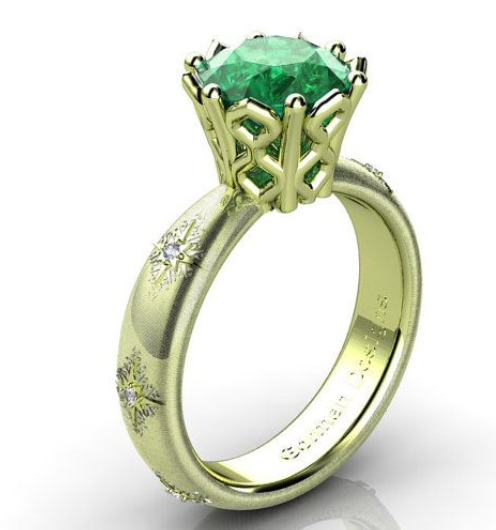
This is a naturally occurring alloy of gold and silver which gives off a very subtle hint of green. Most people may not even pick up on it. Naturally it is more robust than pure gold because of its natural silver content. Historically speaking it was supposedly popular with the Egyptians and was one of the earliest metals used in coinage.
White Gold
This is a popular alloy of gold which may feature silver or palladium giving it more of a white appearance. The natural yellow of gold is not very prevalent with this type. It is a great gold for those who like the more metallic look of platinum or silver.
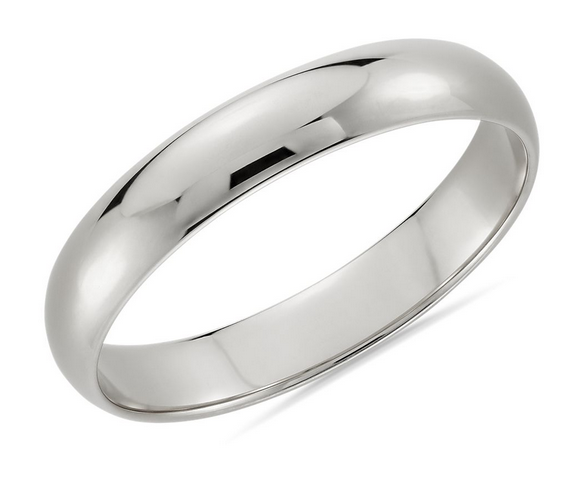
As part of a diamond ring it pairs best with colorless white diamonds. Noticeable yellowing in the diamonds will stand out against the shiny white gold appearance. Often coated with Rhodium it is a much cheaper alternative to pure platinum.
It is a more high maintenance ring material as it does not do well at hiding dirt and grime.
Sterling Silver
The use of sterling silver dates back to the 12th century and it has been used for jewelry and currency purposes at various times throughout history. Much like gold, pure silver is very soft so the sterling silver alloy which includes other metals such as copper is more robust.
Its pairing with diamonds is a more recent occurrence as for a long time it was not considered as a suitable metal to work with these precious gems. Today however it is more well respected and can often be found paired with various gemstones including diamonds.
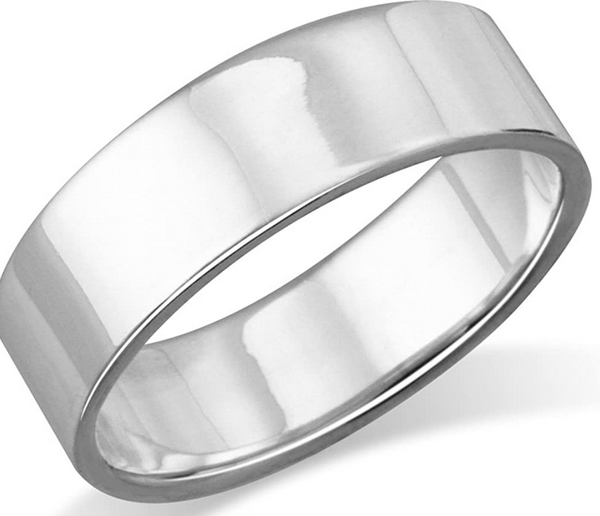
There is a big drawback with sterling silver however as a diamond ring material, it does tend to tarnish easily. You will frequently need to clean and polish the ring setting to stop it from appearing dirty. It can be time consuming maintaining that bright shine you associate with silver.
Platinum
There was a reason that Eartha Kit was singing about asking Santa for a platinum mine and not a gold one. This is because for many years platinum was simply just more valuable than gold. This has changed over the past decade or so and gold has surpassed platinum in value.
The truth is platinum is much rarer than gold and in several ways superior. In fact platinum is more prevalent in meteorites and the moon than it is on earth. It’s silvery-white makes it look like silver but it is more dense.
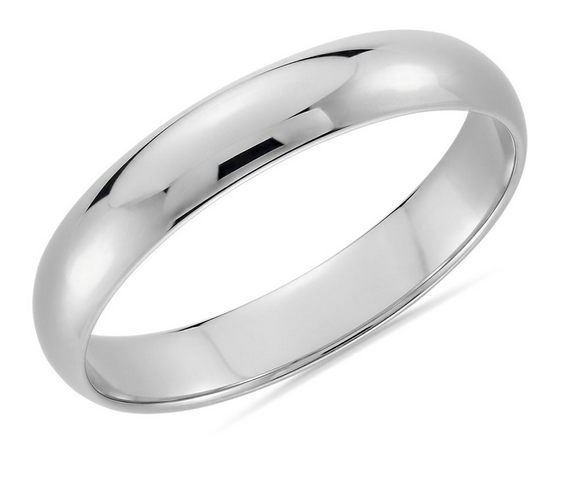
It is incredibly resistant to corrosion and keeps its shine well but in its pure state it is softer than gold. This metal looks great with colorless white diamonds but colored gems may look a little stark against its metallic shine.
Palladium
Palladium is a metal very similar to platinum but is even more resistant to tarnish if that is at all possible. It is more common so it tends to cost less. It is superior to white-gold in that it does not need to be treated with Rhodium to maintain its shine.
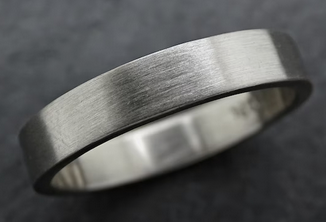
It offers a steel-white sheen and is durable enough to hold any stone you can throw at it. This is a metal that simply does not tarnish so it may look like silver, white gold and platinum but it will not lose this appearance. You will still want to clean it from time to time though for hygiene purposes more than anything.
Titanium
You may have heard about titanium but not always in the context of jewelry. It is commonly used in aerospace applications because not only is it light but also very strong. Some people believe it is the strongest metal on earth but actually this distinction goes to Tungsten.
Its reputation for strength comes from its density to strength ratio. It is hard to scratch but also hard to cut and shape at the same time. Once you have a titanium ring it is very hard, near impossible to have it resized.
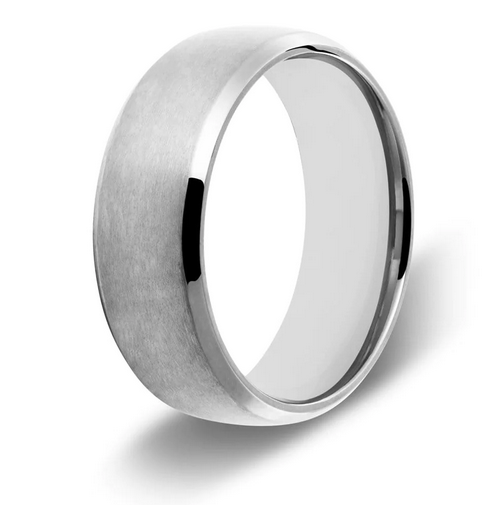
It is a popular metal in wedding bands because it is lightweight and tough but it can slo be applied to more delicate engagement rings as well.
Tungsten
This is the budget hardcore metal for diamond rings. Not only is it less expensive than the others but it is four times stronger than titanium. It has a high melting point and is often used in electrical and military applications.
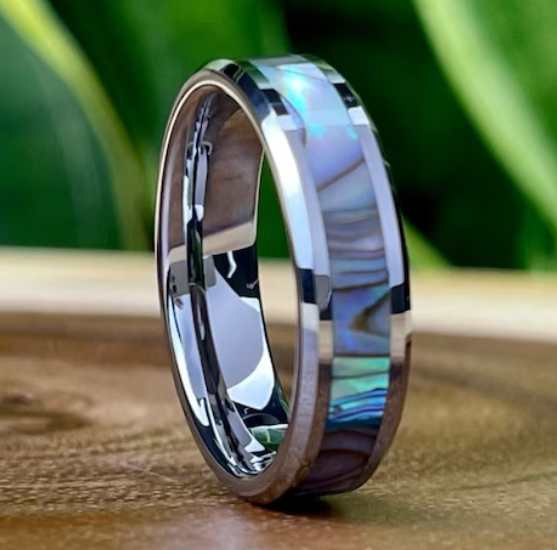
Matching the toughness of diamond with that of tungsten will make for a virtually indestructible diamond ring. Well that may be hyperbole in truth but you certainly will have a piece that can stand up to daily use.
Final Thoughts
We have looked at a number of the best metals for building a diamond ring and seen how in many ways they are similar but also how some are very different. The metal you use is going to depend on your budget and what your diamond looks like.
A diamond with a low color grade that shows noticeable yellow in the gem will not look its best set against a white metal such as white gold, titanium, platinum, silver or tungsten. It is easier to minimize the impact of coloration in the diamond by pairing it with rose, green or yellow gold.
Some of these metals are tougher than others while some hold onto their shine better and others still can be prone to damage. Ultimately your needs from the ring will determine which metal to choose. Factor in the potential for damaging the ring, the frequency of cleaning/maintenance and of course how well it matches what you want visually and in combination with your diamond.
Reference Diamond Size Chart
If you use any of the definitions, information, or data presented on Diamond Size Chart, please copy the link or reference below to properly credit us as the reference source. Thank you!
-
<a href="https://diamondsizechart.com/blog/what-is-the-best-metal-for-a-diamond-ring/">What Is the Best Metal for a Diamond Ring?</a>
-
"What Is the Best Metal for a Diamond Ring?". Diamond Size Chart. Accessed on April 24, 2026. https://diamondsizechart.com/blog/what-is-the-best-metal-for-a-diamond-ring/.
-
"What Is the Best Metal for a Diamond Ring?". Diamond Size Chart, https://diamondsizechart.com/blog/what-is-the-best-metal-for-a-diamond-ring/. Accessed 24 April, 2026
-
What Is the Best Metal for a Diamond Ring?. Diamond Size Chart. Retrieved from https://diamondsizechart.com/blog/what-is-the-best-metal-for-a-diamond-ring/.