What Are Lab-grown Diamonds?
Our product recommendations are made independently, but we may earn affiliate commissions if you use a link on this page.
The beauty and stunning nature of a diamond has made them one of the most popular and often most expensive gemstones. Tight production restrictions and crafty ad campaigns have over the years boosted the popularity of diamonds cementing them in the public consciousness as a symbol of love and lifelong commitment.
There is a certain perception of diamonds that relies on how they were made. This occurs when a lump of carbon is compressed and heated to extremes miles below the earth's surface over billions of years with the result being the hardest natural material known to man. There’s a mystique to that which really elevates the diamond.
Not everyone may realize this but today we can recreate this process of turning carbon into diamonds in laboratories. These lab created diamonds are also on sale at many jewelers but what actually are they and are they any good? The answers to these questions are just a short read away.
What Is a Lab-Grown Diamond?
The very simple answer to this question is that lab-grown diamonds are literally diamonds that have been created in a laboratory setting. They are known by several names, lab-grown diamonds, cultured diamonds, man made diamonds and synthetic diamonds.
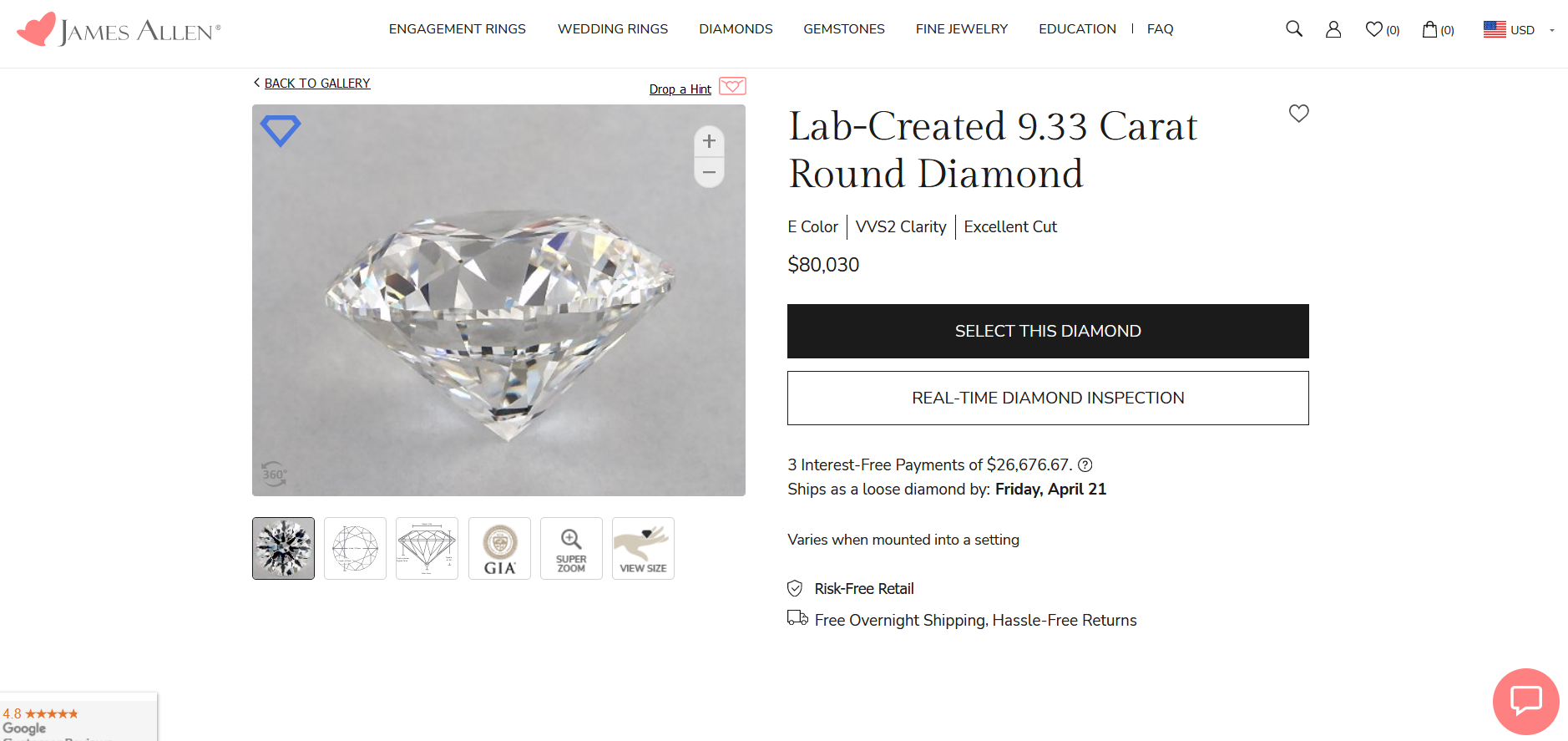
They have all the same aspects of a natural diamond including flaws, color variations and of course the natural properties that make all diamonds desirable.
When Were They Invented?
It was around 1797 that we first realized that diamonds were made of carbon. It didn’t take long to figure out how they were actually formed as well. With this new understanding as humans will often do we started to try and find out if we could recreate the process.
It was in the late 1800s that James Ballantyne Hannay and Ferdinand Frederic Henri Moissan tried to heat charcoal (pure carbon) inside a carbon crucible. They achieved temperatures of around 3500 degrees Celsius (6332 Fahrenheit) in the furnace. This didn’t ultimately work but it launched a further fascination in trying to grow diamonds.
Industrial quality diamonds came first around the 1940s when scientists developed the Chemical Vapor Deposition and the High Pressure – High Temperature (HPHT) methods. They had similar natural properties to real diamonds and could be used for industrial purposes.
In 1954 it was General Electric chemist Howard Tracy Hall who was the first to successfully grow a diamond in a lab. This amazing discovery and new technology would go on to develop an industry worth billions while Hall himself received a disappointing $10 in savings bonds for his discovery.

There are earlier claims of success in labs from the 19th century and earlier in the 20th century but no one could repeat the results to prove it was possible. As such Hall is credited as the first repeatable success story in diamond growing.
Hall was not the only chemist at General Electric working on the problem and other scientists had better equipment than he did. Ultimately after 4 years of hard work he beat all of them to the punch.
You may be feeling sorry for Hall at this point considering the miserly pay out he got for his discovery but do not worry there is a happy ending. You see he eventually left General Electric and spent his time building a better version of his diamond growing system.
It did not have to rely on any of GE’s now patented parts so he was well within the law. He called the upgraded machine he created MegaDiamond and he did very well from it.
Are Lab-Grown Diamonds Similar to Cubic Zirconia and Moissanite?
It is important to mention cubic zirconia and moissanite at this point because many people confuse these two diamond substitutes with lab-grown diamonds. This is very much not correct because although at a glance cubic zirconia and moissanite gems look like a diamond they do not have the same light and hardness properties.
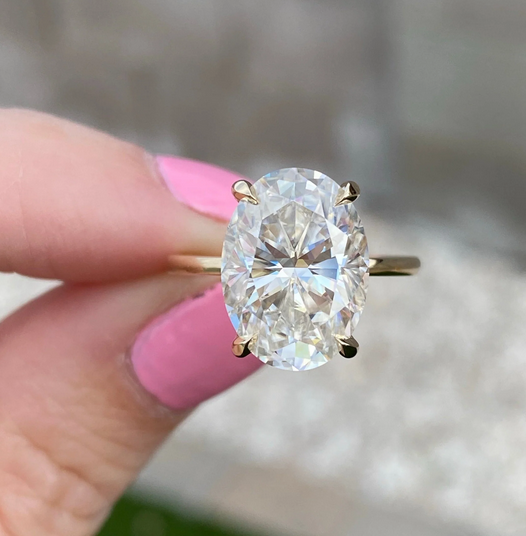
An important fact is that these two diamond substitutes sometimes get called synthetic diamonds much like a lab-grown diamond would be. They however should not be referred to as such because the resemblance to actual diamonds is fleeting at best.
A synthetic diamond would logically indicate something was a diamond just made by synthetic means. CZ and Moissanite do not match this description.
Are Lab-Grown Diamonds Real?
Lab -grown diamonds, despite being made using artificial scientific methods, are actually identical in almost all regards to naturally occurring gems. According to the Federal Trade Commission (FTC) diamonds are defined as being pure crystallized carbon in the isometric cubic system. As this definition applies to both lab-grown and naturally occurring diamonds, for trade purposes lab diamonds are 100% real diamonds.
Lab grown diamonds and natural diamonds share the same qualities and characteristics such as:
- Chemical Composition: Carbon
- Crystalline Structure: Cubic
- Refractive Index: 2.42
- Dispersion: 0.044
- Hardness (MOHS): 10
- Density: 3.52
It is actually impossible to tell the difference with the naked eye between a lab grown diamond and one that has come from the earth. You would need to examine the gem under magnification to look for some telltale signs of the gem's origin.
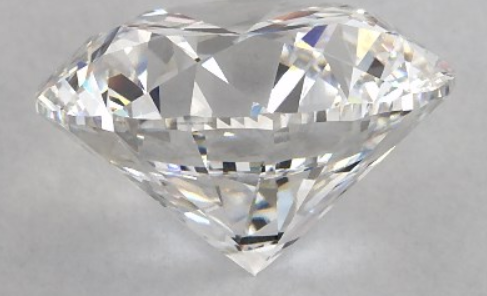
The most obvious sign would be the engraved serial number which if you were to look it up would tell you whether the diamond was natural or lab-grown. What if there’s no serial number? Well you would then look for visible signs inside the diamond itself.
Natural diamonds have flaws such as pinpoint inclusions, feathering and cloud inclusions. Although you may see these in lab diamonds there is a flaw that you will not see in natural gems but you will in a synthetic version. Metallic inclusions only occur in lab-grown diamonds so if they are present the gem is most likely grown in a laboratory.
Finally the absence of Nitrogen in the diamond can be a giveaway. The yellowing color that occurs in some natural diamonds is caused by nitrogen. The lab-growing process does not include nitrogen so you should not see any signs of it in the lab-grown gems.
How Are Lab Diamonds Made?
The principles behind how diamonds are made in the lab are much the same as natural gems. You need pressure and heat. Instead of this all happening miles below the surface of the earth this is done in pressurized lab conditions.
Carbon is super heated under immense pressure in a control environment in the presence of a seed diamond which it puts into the compressed material known as diamond. This process instead of taking billions of years like the natural kind can take a few days, weeks or months depending on the type of diamond.
Scientists believe that natural diamonds were formed by carbon dioxide (CO2) being super heated to over 2,000 degrees Fahrenheit while under around 727,000 pounds per square inch of pressure. This would happen miles underground.
Now we can't dig that far down to get diamonds. Luckily though, millions of years ago our world was more active in terms of volcanoes so these diamonds were literally blasted from deep in earth up to the surface. Over the years they eventually became reburied but remained closer to the surface and minable.
What Are the Two Lab-Growing Processes?
High Pressure – High Temperature (HPHT) Method
In the HPHT method, a small diamond seed is placed into a piece of carbon. Using either a belt press, cubic press or a split-sphere (BARS) press, this carbon is then pressurized to approximately 1.5 million pounds per square inch. This happens while the carbon is also being exposed to temperatures over 2,700 degrees Fahrenheit.
The combination of pressure and heat begin to melt the carbon. This now melted carbon forms around the diamond seed and takes on the same properties. The seed then just grows larger from the melted carbon and you have a lab-created diamond.
Chemical Vapor Deposition (CVD)
CVD uses a small diamond seed, usually an HPHT created diamond. This seed gem is then placed inside a sealed chamber to be heated to over 1,400 degrees Fahrenheit. This chamber is at the same time filled with carbon-rich gases such as methane and hydrogen.
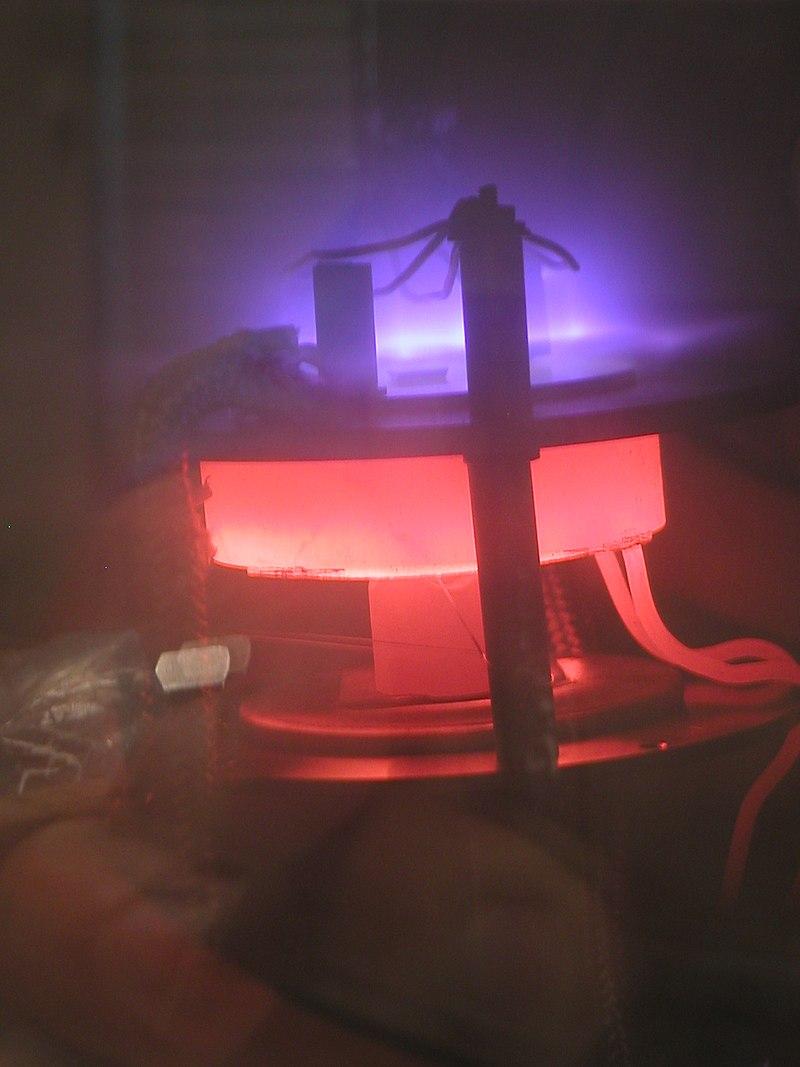
These gases are then ionized into a plasma using a technology very similar to lasers or microwaves. This essentially breaks down the molecular bonds of the gases. The carbon molecules will have now been released and will begin to stick to the seed. Essentially carbon is added to the seed diamond and bonds to it to create a larger gem.
Who Makes Lab-Grown Diamonds?
As you might imagine some of the top producers of lab-grown diamonds are in fact also involved in the natural diamond mining industry as well. Some of them like De Beers actually tried to stop the growth of the lab diamond industry but eventually decided to get involved themselves.
It was in 2018 that De Beers got into the diamond gemstone manufacturing business themselves having been set against it for a long time. We won’t go into that company's history here but let's just say they do not have the most spotless record and have been known for some shady practices. They have been accused at times of supporting human rights violations but have been cleaning up their act of late.
Other makers of lab-grown diamonds include:
- ALTR Created Diamonds
- Diamond Foundry
- Pure Grown Diamonds
- Scio Diamond Technology Corporation
- Tairus
- WD Lab Grown Diamonds

Why Are Lab-Grown Diamonds Labeled Differently Than Natural Ones?
Both lab-grown and natural diamonds are 100% the same so why would they be considered different? If you build a car using two different methods but with the same parts it's still the same kind of car right? This is true but we are talking about a process that was billions of years of work and one that takes a few weeks at most.
It's about the perception of the two types of diamond from the consumers. People just tend to want the natural diamonds because there is a gravitas to their natural formation that lab-grown gems just can’t match.
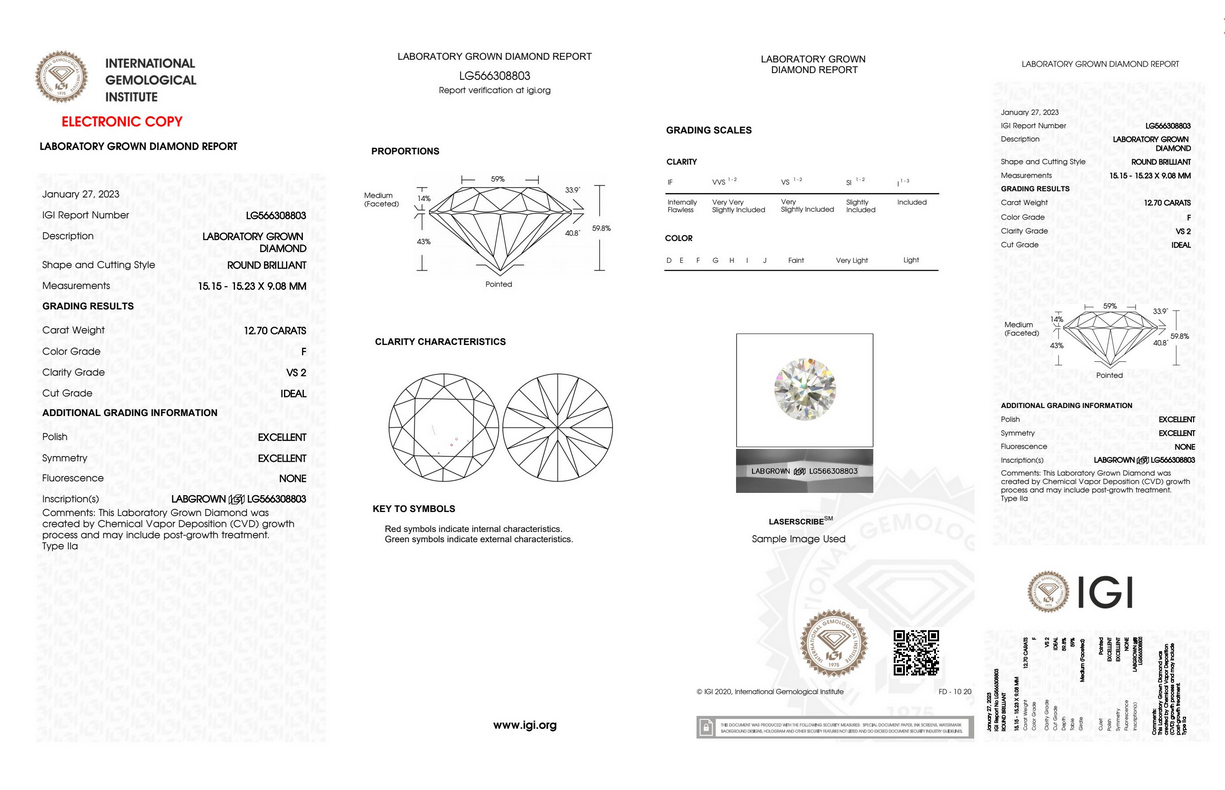
Therefore reputable jewelers will be upfront about the diamonds being either natural or lab-grown. I do say reputable jewelers because sadly there are plenty of instances where less than honest individuals will sell a lab-grown diamond as a natural one. With the naked eye the lab-grown gem passes the diamond test because it is a diamond. It takes a skill that few of us have to spot the difference.
Benefits of Lab-Grown Diamonds
Lab and natural created diamonds are almost identical but the earth grown variety are worth far more than those grown in machinery. The interesting thing to consider is that there are some pretty important benefits to choosing a lab-grown gem.
They Can Be Grown to Be Colorless
The value of diamonds is assessed using the 4 C’s grading system (which stands for color, clarity, cut quality and carat). The most valuable diamonds that are most desirable are the white diamonds. They are essentially clear in appearance like glass with no signs of any color.
Natural diamonds will come in a variety of colors and even the white ones may have some tint of yellow or brown. There is even a color grading scale for natural white diamonds that ranges from colorless to various levels of yellow.
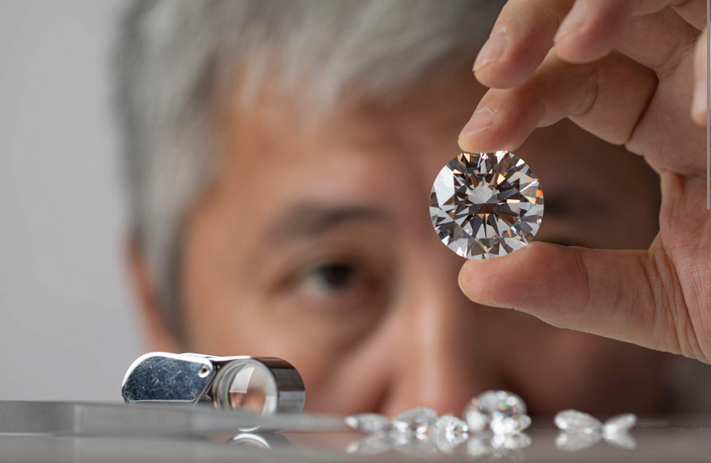
Customers looking to buy a white diamond want it to be completely colorless because this helps produce the best brilliance or scintillation. This sparkle is produced by light entering the base and sides of the diamond and being reflected off facets that have been cut. The light escapes out through the top of the diamond and looks stunning.
With the understanding that the market is looking for white diamonds to be as colorless as possible, lab-grown gems can be grown with this in mind. Natural gems will vary in color and this can't be helped but lab-grown gems can be controlled and progressively they are perfecting the process to make them more and more colorless.
Lab-Grown Diamonds Are Environmentally Friendly
Diamond mining is a messy and potentially environmentally damaging process. It has a big impact on the environment in the regions it takes place. Some companies such as Brilliant Earth actually look to sell lab-grown diamonds over natural ones because they create less damage to the earth.
They Do Not Contribute to Human Rights Violations
Let us first say the natural diamond industry is getting much better when it comes to some of the horrendous practices of the past but it is still not perfect. We should also point out that when run ethically diamond mines bring jobs and prosperity to communities in countries that really need the industry.
That said, there is no secret about the fact that the diamond trade, especially in Africa where a large proportion of the world's diamonds are mined, has a bad reputation. For decades African warlords used the proceeds of the diamond trade to fund their activities. This led to the very unglamorous moniker of Blood or Conflict Diamonds.
The African civil wars are all but ended these days but the violence surrounding diamond mines on that continent still persists. It is such a lucrative business that human rights violations and unsafe working conditions are all too common. Some workers used in the mines may even be slave labor.
The beauty of lab-grown diamonds then is that they do not have a significant connection to these mining practices. In buying a lab-grown diamond you are not supporting those remaining poorly run diamond mines who exploit their workforces and make them work in dangerous conditions.
Lab-Grown Diamonds Are Much Cheaper
Simply put because they are considered less desirable to consumers, lab-grown diamonds are a lot cheaper when compared to the natural gems. A search of the James Allen Collection of diamonds both natural and man made illustrates this perfectly.
Looking for round cut diamonds of 1.01 carat in weight, completely colorless (D), internally flawless, with ideal cut quality showed some interesting prices. Natural diamonds ranged in price under these parameters from $10,780 - $19,600. James Allen only had three lab-grown diamonds to these specifications and not one of them cost more than $4,000.
So even the cheapest natural diamond when compared to a lab-grown gem of similar quality costs more than twice that of the man made option. Remember they are both very much real and the qualities are the same, the only difference is how they were made.
Do Lab-Grown Diamonds Follow the Four C’s?
The four C’s are an important measuring stick when it comes to gem quality diamonds as they help determine the value of the stone. Independent diamond grading laboratories use clarity, color, carat and cut as categories for their grading.
When it comes to diamonds the better they perform in each of the four C’s the more valuable the gemstone is and the more the jeweler can sell them for. Today when you buy a quality natural or lab-grown diamond you should look to have a grading report attached to it to ensure you are getting a quality gem.
Carat
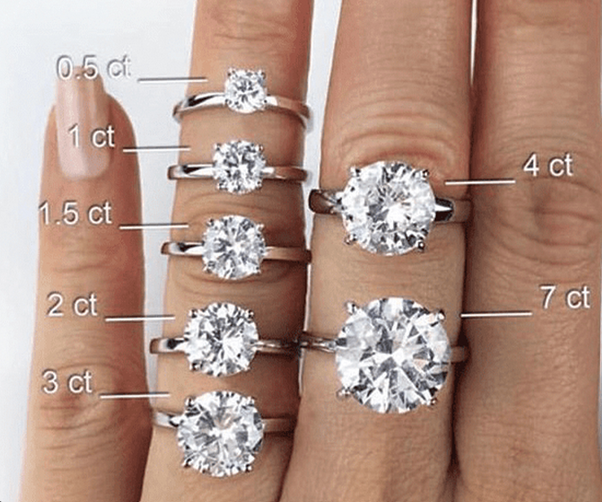
Carat refers to the weight of the diamond. Each 0.2 of a gram in weight equates to 1 carat in diamond weight. The heavier a diamond is in carats the higher its overall worth will be.
Color
As mentioned natural diamonds can vary in color with completely colorless gems being rarer and more valuable. You can’t control or change the color of a natural diamond but lab diamonds can be grown to be completely without color.
Clarity
The clarity of diamonds refers to the presence on the outside or inside of the gem of flaws or inclusions. You can sometimes see these flaws with the naked eye but often they are only viable under magnification. Obviously the fewer flaws that are found in the gem the better quality the diamond is and the higher its value.
Cut
The cut quality of diamonds is only usually graded on round brilliant cut and princess cut diamonds. So-called fancy shapes do not have their cut quality assessed. In the early years of lab-grown diamonds they were not so concerned with cut quality but today it is as important as the quality in the natural diamonds.
White diamonds are meant to sparkle and this is achieved through the cut quality of the diamond. An ideally cut diamond will have fantastic sparkle and brilliance. Getting the right cut is hard work but the advent of lasers has made it more achievable.
As technology advances I would not be surprised to see labs be able to not just grow a diamond but also control what shape it grows into and even one day the precise cut that is needed for the best brilliance. If they can achieve this it will be a big game changer.
What Are Lab-Grown Diamonds Worth?
The experimental search performed in the section above was quite telling but just to clarify the price difference between natural and lab gems is not always that wide a gap. In fact on average you will be looking at between a 10% - 40% price difference between the two diamond types.
This equates to a natural diamond worth around $1000 having an almost identical lab-grown counterpart that might sell for $600 - $900. It is a definitive savings for sure but there is always that nagging issue of people tending to favor the natural diamonds. It’s a hard mentality for people to let go of.
That said, lab-grown diamonds are closing the gap gradually as attitudes toward the exploitation of people and environmental concerns become more of an issue. This change in attitude is in no way a bad thing by the way.
How Does Lab-Grown Diamond Pricing Work?
Just like natural diamonds, lab-grown diamonds are regulated by the top companies to make sure they are kept temptingly rare. Just like with all things, rarity seems to be a selling point so based on actual consumer demand growing labs will either increase or decrease production.
Not only do they need to consider the demand for their own product but also that of natural diamonds. In times of global hardship for example people may be more apt to save money by choosing lab gems over more expensive natural diamonds.
Why Do People Choose Lab-Grown Diamonds?
The biggest draw when it comes to lab-grown diamonds has to be their lower price point. Public opinion, wrong as it may be, is that lab diamonds are not as desirable. This means they will not sell for as much money. This is okay as they do not take as much money to produce so they can be sold for a lower price.
Another huge bonus to lab-grown gems is that they are more ethical in terms of the impact on humans and the environment.
Mining Process
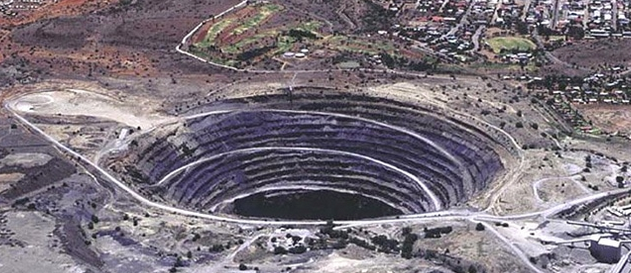
The natural diamond mining process is as damaging as any mining process to the environment and in addition some of the mines are truly hell on earth for the employees. I know things are getting better and conflict-free diamonds are the norm now but there are still some very rotten eggs out there.

The Human Impact
Lab diamonds do not exploit workers, they do not support warlords nor do they use forced slave labor. You can wear a lab-grown diamond safe in the knowledge that all involved were paid fairly and no one died to help bring it to the market.
Final Thoughts
In many ways lab-grown diamonds are just as good if not better than natural ones. Their problems are based on public perceptions which can affect their value. If you can get beyond a romantic ideal of gems forged in the deep earth under fire and pressure you can really grab a bargain on a fantastic diamond.
Reference Diamond Size Chart
If you use any of the definitions, information, or data presented on Diamond Size Chart, please copy the link or reference below to properly credit us as the reference source. Thank you!
-
<a href="https://diamondsizechart.com/blog/what-are-lab-grown-diamonds/">What Are Lab-grown Diamonds?</a>
-
"What Are Lab-grown Diamonds?". Diamond Size Chart. Accessed on April 28, 2026. https://diamondsizechart.com/blog/what-are-lab-grown-diamonds/.
-
"What Are Lab-grown Diamonds?". Diamond Size Chart, https://diamondsizechart.com/blog/what-are-lab-grown-diamonds/. Accessed 28 April, 2026
-
What Are Lab-grown Diamonds?. Diamond Size Chart. Retrieved from https://diamondsizechart.com/blog/what-are-lab-grown-diamonds/.